Nanonets Agents
Dropping agents into your
Deploy a managed AI workforce for the document work your team still runs by hand. Read, validate, match, and post, without writing a line of glue code.
Used by 35% of the Fortune 500 and 10,000+ enterprises

















Capabilities
Powering agents across industries and personas. From AP to RCM, contracts to claims.
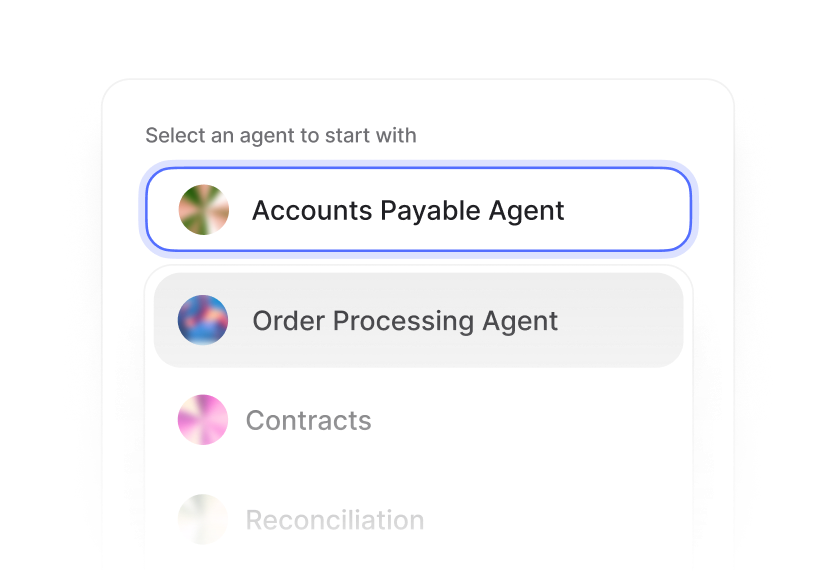
Deploy a fully managed AI workforce without long development cycles.
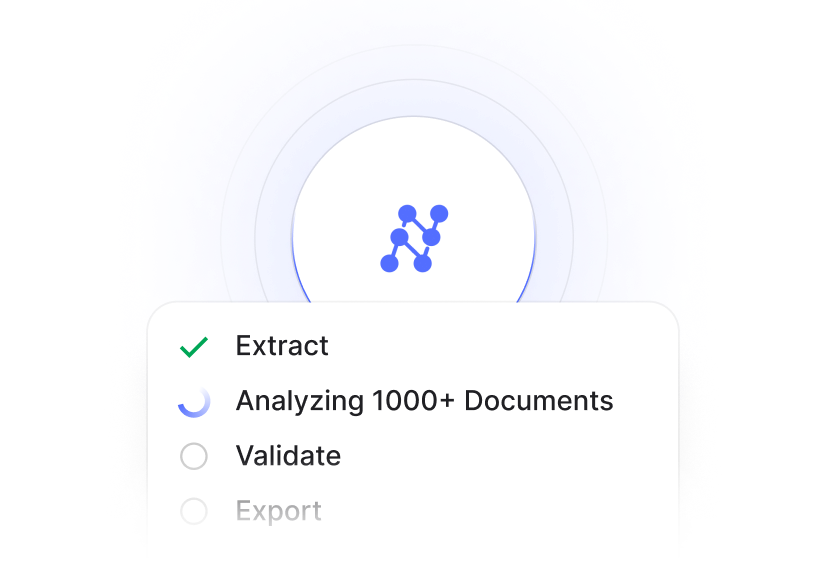
Agents don't just read data. They validate, match, and post it.
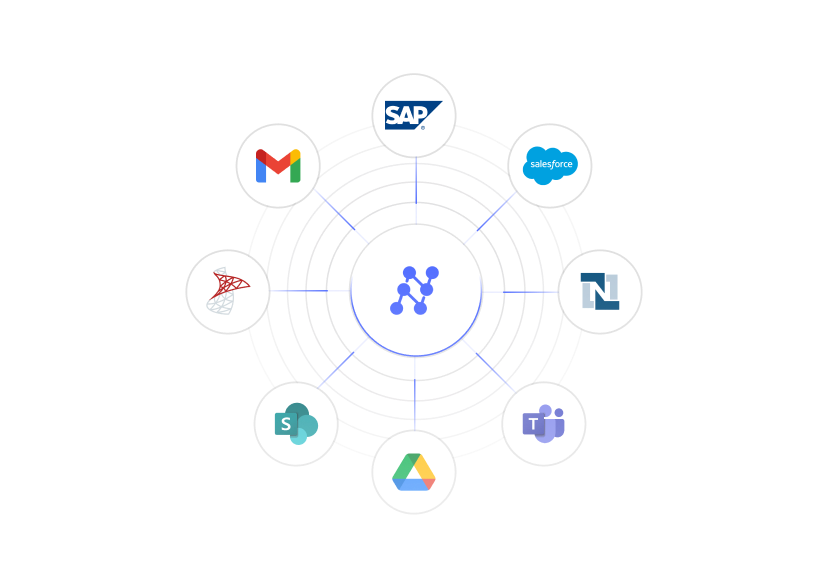
Syncs natively with SAP, Oracle, Salesforce, or your custom ERP.
The platform
One platform behind every agent. Build, ground, extract, generate, and orchestrate.
Every Nanonets agent runs on the same set of building blocks. Compose them to fit a process, or put any one to work on its own.
Build agents by writing plain-language prompts, not dragging boxes. Add a step, describe it, drop in tools, and deploy in minutes.
Learn moreTurn tangled instructions into a machine-readable graph so your business rules survive every edge case instead of being silently dropped.
Learn moreRead any document, from invoices to contracts, and output clean, structured, agent-ready data. No templates. Ranked #1 on the IDP Leaderboard.
Learn moreTurn structured data into finished documents, exact from your data or written by AI. CSV, XLSX, PDF, DOCX, HTML, and Markdown, delivered in the same run.
Learn moreRoute agent exceptions to the right reviewer with full context, then let the agent pick back up automatically once they are resolved.
Learn moreAsk any question about your workflow data in plain English and get a chart instantly. Track DPO, automation rate, and AI cost.
Learn moreConnect SAP Joule, Salesforce Agentforce, and Microsoft Copilot into a single workflow with your business logic encoded at every step.
Learn moreDocument parsing and extraction APIs that convert complex documents into clean, structured data for LLM-based and developer use cases.
Learn moreOnboarding
Onboard your AI agent like a human teammate.
Upload your existing runbooks and SOPs. The agent understands business intent and starts executing immediately, reading your instructions, not running rigid code.
Reads your SOPs like a human would, applying logic and context to every task.
When unsure, it engages your team via Slack, Teams, or Email to resolve ambiguity without stalling.
Every correction is captured. The agent updates its instructions on the fly. No retraining cycle.
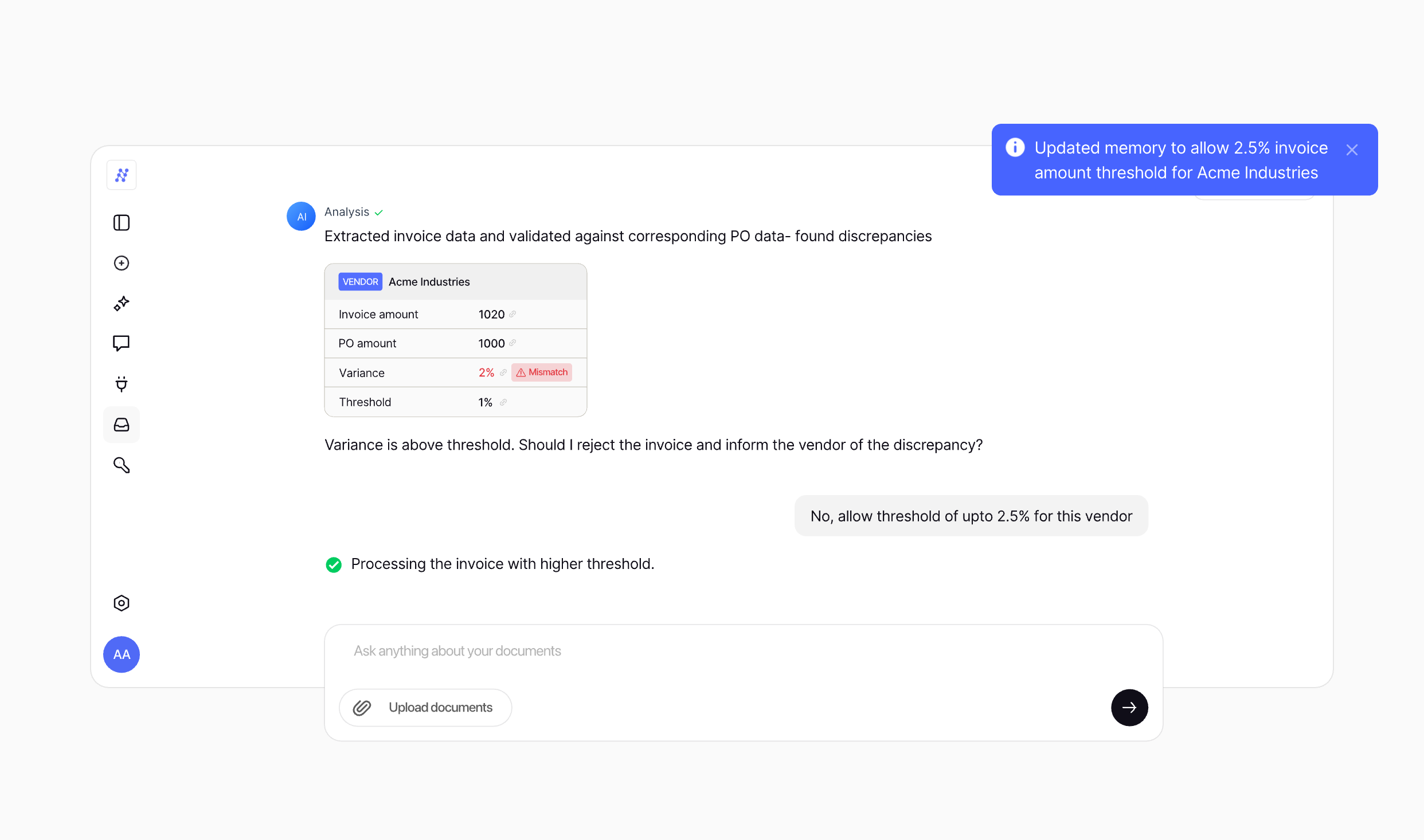
Transparency
Finally, AI that shows its work.
Try it live
Run your first task.
Pick a workflow, drop in a document, and the agent gets to work.
Analytics
Complete oversight for high-stakes workflows.
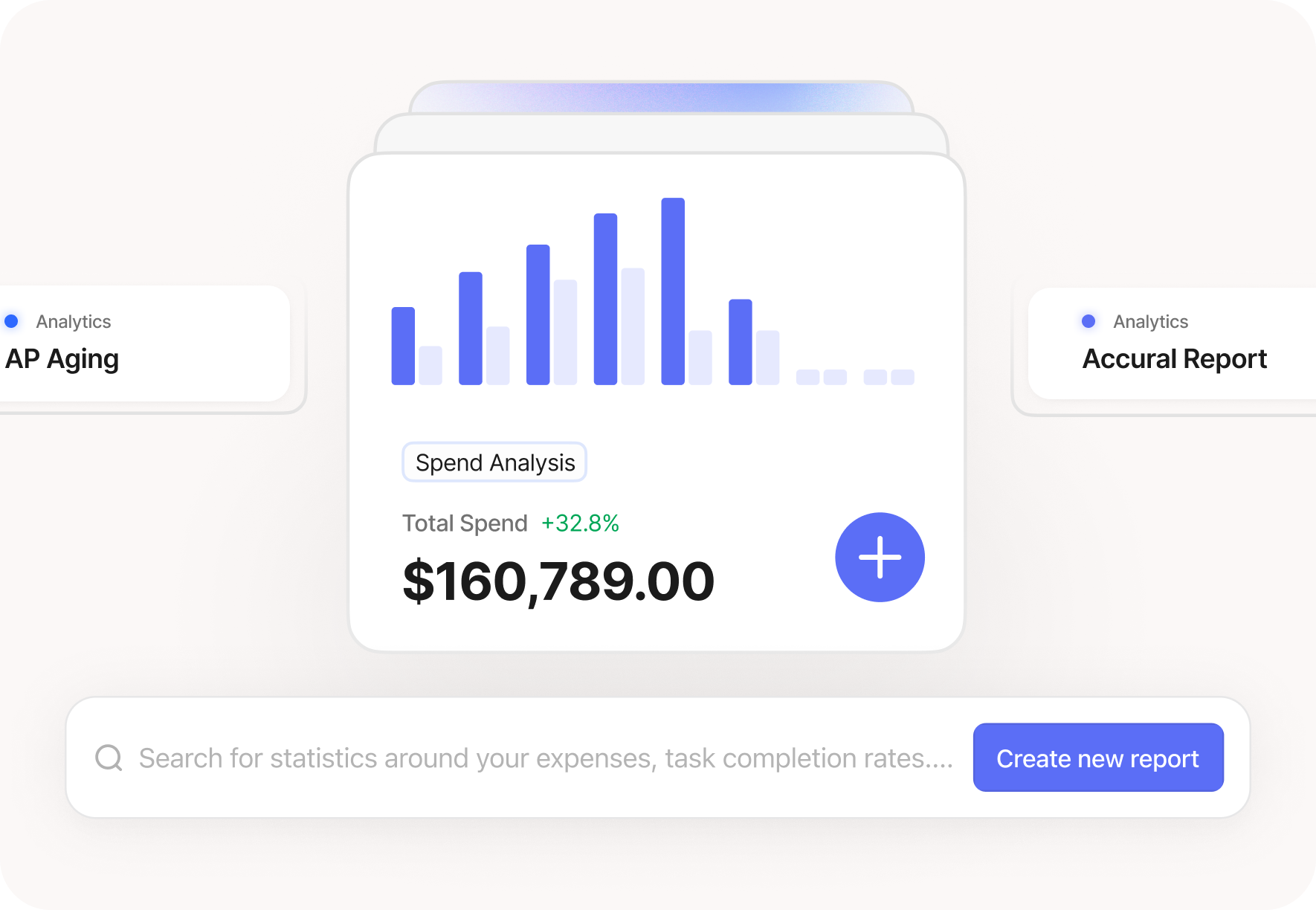
Pre-built dashboards and natural-language analytics. Identify bottlenecks, track volumes, and answer ad-hoc questions, without filing a BI ticket.
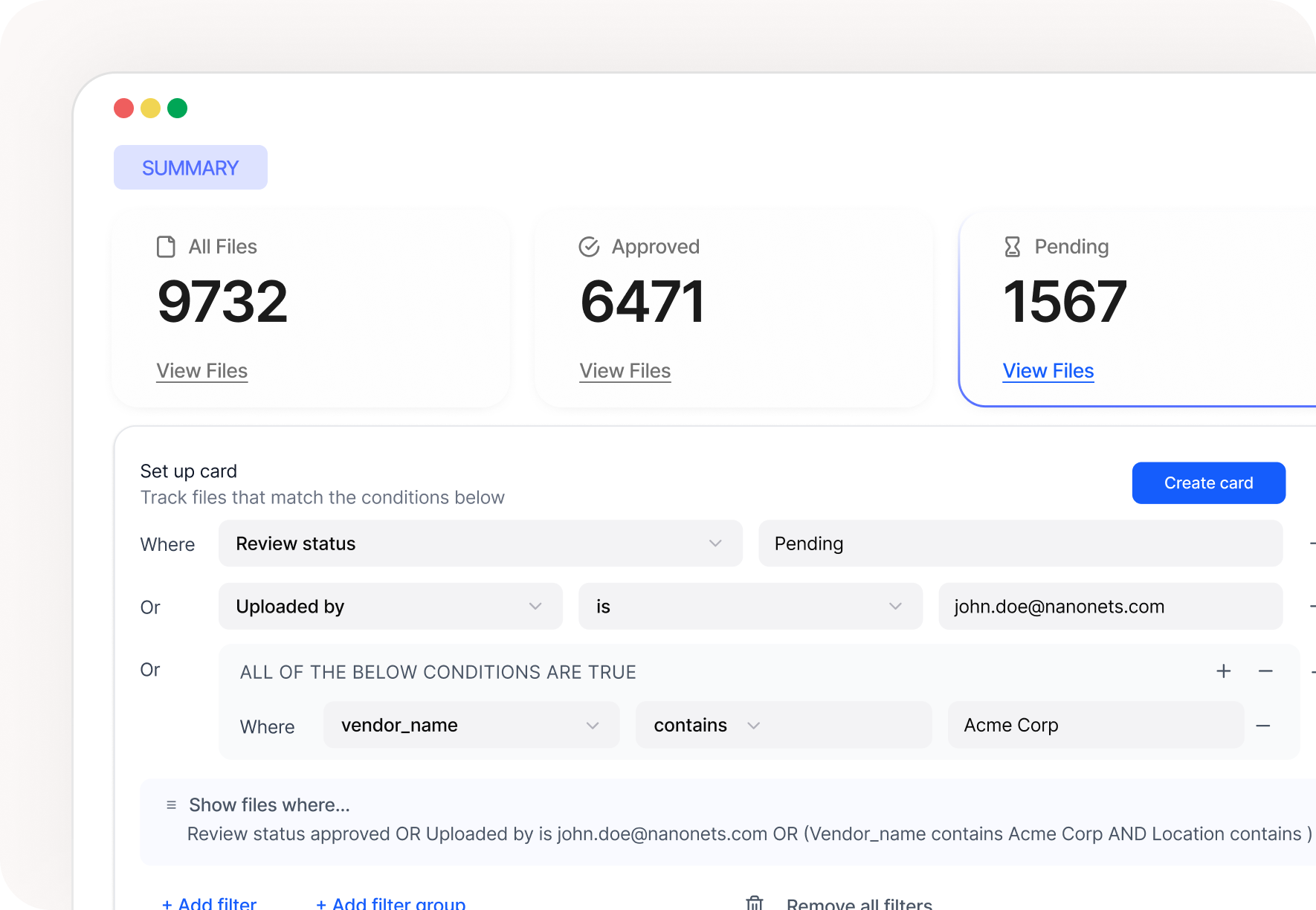
Custom Dashboards
See exactly where every file is in the pipeline, at a glance.
Natural-language analytics
Query operational data in plain English. No SQL, no BI engineer.
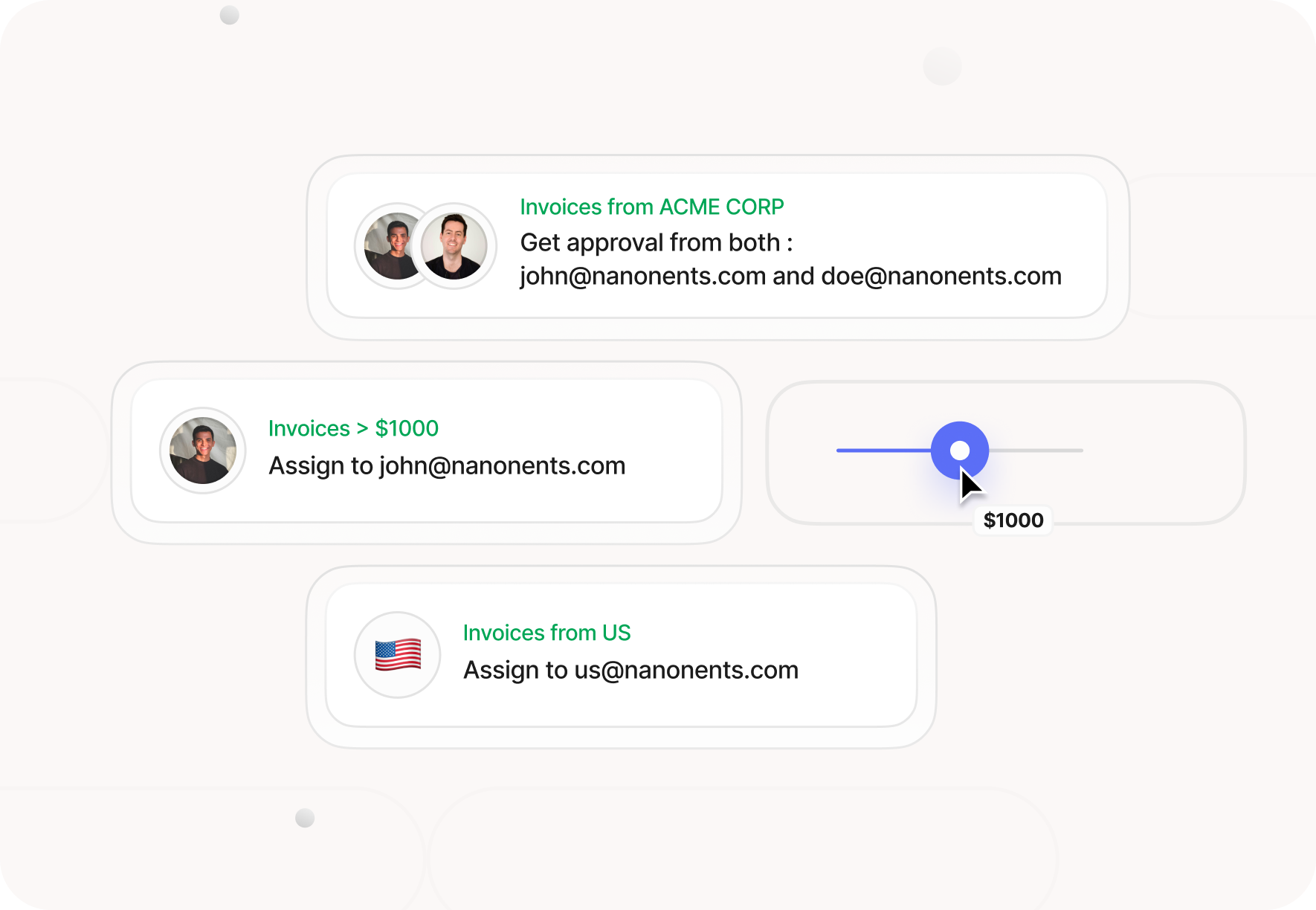
Multi-level approvals
Custom sign-off workflows for high-value transactions or specific document parameters.
Enterprise trust
Trusted by enterprises. Built for enterprises.
- Encrypted data at rest and in transit
- GDPR, ISO 27001, HIPAA, SOC 2
- Cloud, single-tenant, or on-prem
- SAML, 2FA, SCIM
- Granular role-based access
- Detailed audit logs streamed to your SIEM
- Zero training guarantee
- Customer data is never used for model training
- BYO keys with KMS integration
- 99.95%+ uptime SLA
- Mission-critical infrastructure
- Forward-deployed engineering
See it run on your process.
From AI-native hypergrowth companies to Fortune 500 enterprises,
Nanonets automates business processes so teams can focus on what matters.